



Share article
Don't Just Take Photos: How to Respectfully Experience Malaysia's Cultural Festivals

Nathania Clairine
.jpg)
Malaysia is one of the few countries where you can experience multiple major cultural and religious festivals throughout the year. From the vibrant lion dances of Chinese New Year and the festive open houses of Hari Raya Aidilfitri to the colorful celebrations of Deepavali and the harvest festivals of East Malaysia, the country offers an extraordinary window into different traditions, beliefs, and communities. Malaysia's multicultural society celebrates a wide range of festivals, including Hari Raya, Chinese New Year, Deepavali, Thaipusam, Kaamatan, and Gawai, often with participation across communities.
For travelers, these festivals can be some of the most memorable experiences in Malaysia. However, cultural celebrations are more than photo opportunities. They are meaningful occasions rooted in family, faith, history, and community.
If you're fortunate enough to visit Malaysia during a major festival, understanding how to participate respectfully can help you create more meaningful connections while showing appreciation for local traditions.
Why Malaysia Is One of Asia's Best Destinations for Cultural Festivals
Malaysia's cultural diversity is reflected in its annual calendar of celebrations.
Major festivals include:
- Hari Raya Aidilfitri
- Chinese New Year
- Deepavali
- Thaipusam
- Wesak Day
- Kaamatan Harvest Festival
- Hari Gawai
- Christmas
- Mid-Autumn Festival
One of the most distinctive aspects of Malaysian society is how different communities often participate in and appreciate each other's celebrations. Open houses and community events frequently welcome people from all backgrounds.
1. Understand the Meaning Behind the Celebration
Before attending any festival, spend some time learning about its significance.
For example:
• Hari Raya Aidilfitri
Marks the end of Ramadan, the Islamic month of fasting.
• Chinese New Year
Celebrates the beginning of a new lunar year and emphasizes family reunions, prosperity, and good fortune.
• Deepavali
Known as the Festival of Lights, Deepavali symbolizes the triumph of light over darkness.
• Thaipusam
A Hindu festival honoring Lord Murugan, often involving acts of devotion and pilgrimage.
• Kaamatan and Gawai
Harvest festivals celebrated by indigenous communities in Sabah and Sarawak.
Understanding the purpose behind a celebration often leads to a deeper and more respectful experience.
2. Ask Before Taking Photos
One of the most common mistakes travelers make is treating festivals as photo opportunities without considering context.
While many public performances are intended to be viewed and photographed, some moments are deeply personal or religious.
Consider these guidelines:
- Ask permission before photographing individuals
- Be mindful during prayers and ceremonies
- Avoid interrupting rituals for photos
- Respect signs indicating photography restrictions
- Put the camera away occasionally and simply observe
The best travel experiences often happen when you're fully present rather than focused solely on capturing images.
3. Dress Appropriately for the Occasion
Malaysia is generally welcoming to visitors, but modest and respectful clothing is appreciated at many religious and cultural events.
• Visiting Temples
When visiting Hindu, Buddhist, or Chinese temples:
- Cover shoulders when appropriate
- Wear clothing that is not overly revealing
- Follow footwear requirements
• Visiting Mosques During Hari Raya
Visitors should dress modestly and follow any specific guidelines provided by the mosque.
• Community Festivals
Comfortable clothing is usually acceptable, but dressing respectfully demonstrates cultural awareness.
4. Participate, Don't Perform
Many Malaysian festivals encourage participation.
However, participation should come from genuine curiosity and respect rather than a desire for social media content.
Examples include:
- Joining a lion dance audience
- Participating in cultural workshops
- Learning traditional greetings
- Attending community performances
- Visiting festival markets
Approach these experiences as a guest rather than an entertainer.
5. Say Yes to Open House Invitations

One of Malaysia's most unique traditions is the concept of the "open house" or rumah terbuka.
During celebrations such as Hari Raya, Chinese New Year, Deepavali, and Christmas, families, organizations, and even government institutions often welcome guests from different backgrounds to share food and festivities. Open houses are a longstanding Malaysian tradition where guests from all communities are welcomed to celebrate together.
If you're invited:
• Arrive During the Suggested Time
Respect the host's schedule.
• Bring a Small Gift
Fruit, snacks, or sweets are often appreciated.
• Remove Shoes When Appropriate
Observe what other guests are doing.
• Show Gratitude
A sincere thank you goes a long way.
Open houses are among the best ways to experience Malaysian hospitality firsthand.
6. Respect Religious Practices
Many festivals include religious elements that are deeply meaningful to participants.
Examples include:
- Temple ceremonies during Thaipusam
- Mosque visits during Hari Raya
- Prayer rituals during Deepavali
- Buddhist observances during Wesak Day
Visitors are generally welcome to observe, but respectful behavior is essential.
Remember:
- Speak quietly
- Follow local guidance
- Avoid disrupting ceremonies
- Observe before participating
7. Learn a Few Festival Greetings
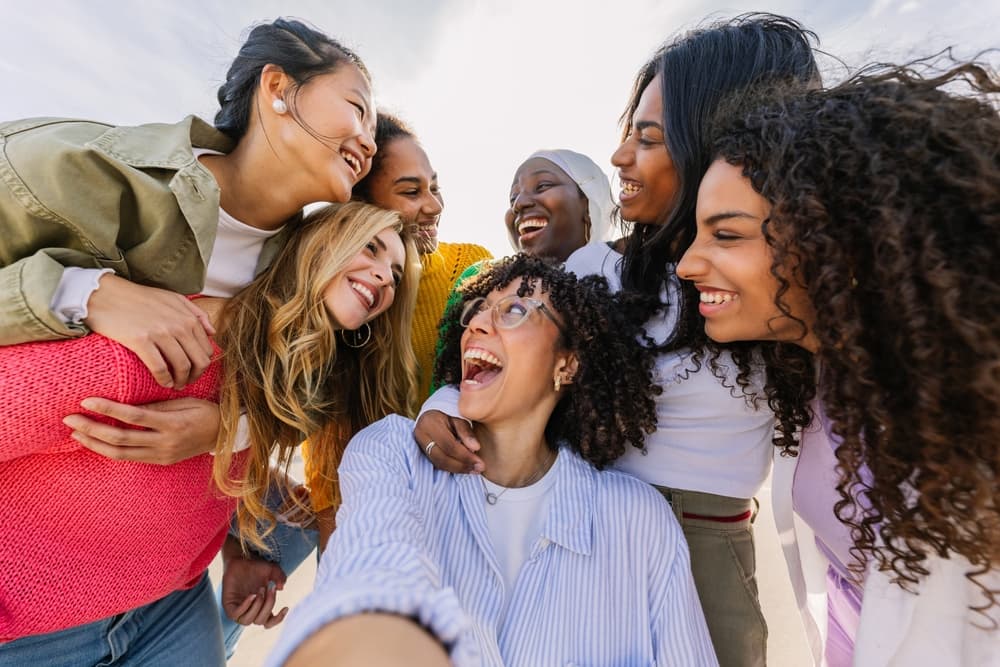
Learning a simple greeting can help demonstrate respect and appreciation.
• Hari Raya
Selamat Hari Raya
• Chinese New Year
Gong Xi Fa Cai
• Deepavali
Happy Deepavali
• Gawai
Gayu Guru, Gerai Nyamai
• Kaamatan
Kotobian Tadau Tagazo do Kaamatan
Even a small effort to learn local greetings is often appreciated.
8. Celebrate Through Food
Food is central to nearly every Malaysian celebration.
Festivals provide opportunities to experience unique dishes that may only appear during certain times of the year.
Examples include:
• Hari Raya
- Ketupat
- Rendang
- Lemang
• Chinese New Year
- Yee Sang
- Pineapple tarts
- Mandarin oranges
• Deepavali
- Murukku
- Traditional sweets
- Vegetarian dishes
• Kaamatan and Gawai
- Indigenous cuisine
- Harvest-inspired dishes
- Traditional community feasts
Food often provides one of the easiest and most enjoyable ways to connect with local culture.
9. Be Mindful of Festival Crowds and Customs
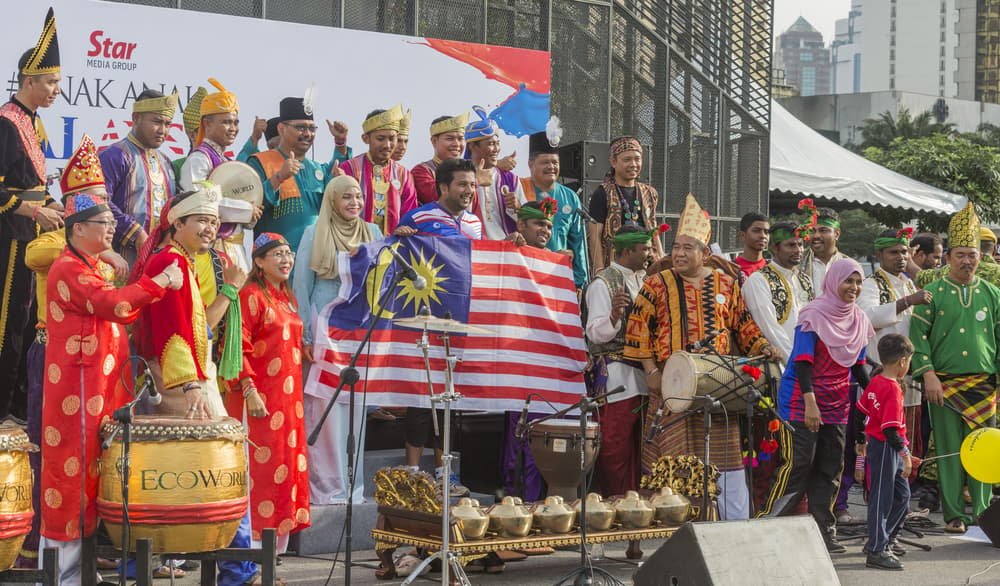
Major festivals can significantly affect daily life throughout Malaysia.
During periods such as Hari Raya and Chinese New Year, millions of Malaysians travel back to their hometowns, a tradition known as balik kampung. This often leads to heavy traffic, limited transportation availability, and crowded public spaces.
Travelers should:
- Book accommodation early
- Confirm transportation schedules
- Allow extra travel time
- Be patient with crowds
- Respect local customs and traditions
Flexibility and understanding can greatly improve your experience.
Best Places to Experience Malaysian Festivals
Image Suggestion: Kuala Lumpur, Penang, Sabah, and Sarawak festival scenes
1. Kuala Lumpur
Ideal for:
- Hari Raya
- Deepavali
- Chinese New Year
- Thaipusam at Batu Caves
2. Penang
Known for:
- Chinese New Year celebrations
- Heritage festivals
- Cultural performances
3. Melaka
Offers:
- Historic cultural experiences
- Peranakan traditions
- Multicultural celebrations
4. Sabah
Best for:
- Kaamatan Harvest Festival
5. Sarawak
Best for:
- Hari Gawai
- Indigenous cultural celebrations
Each destination offers a unique perspective on Malaysia's cultural diversity.
Where to Stay During Malaysia's Festival Season
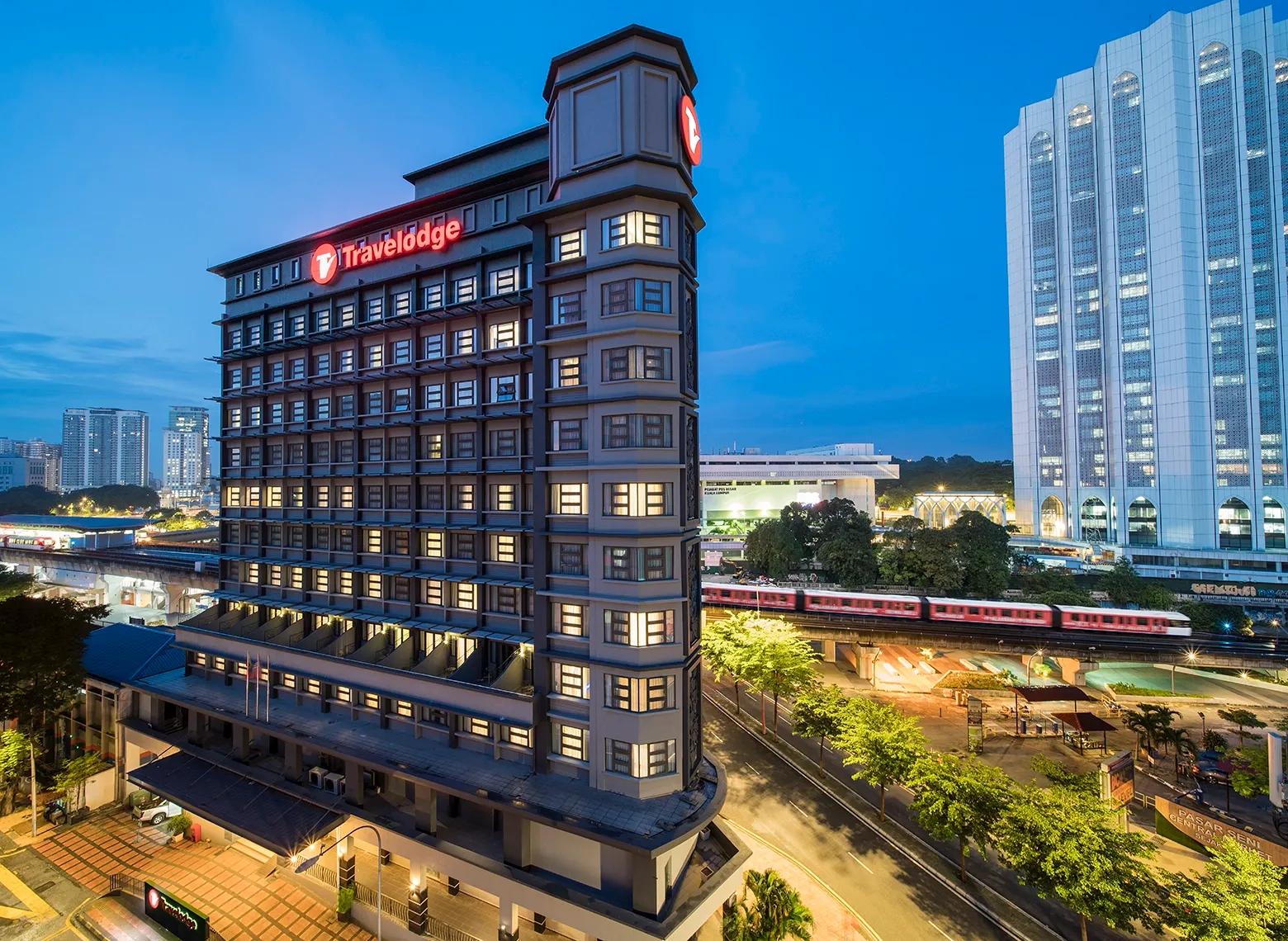
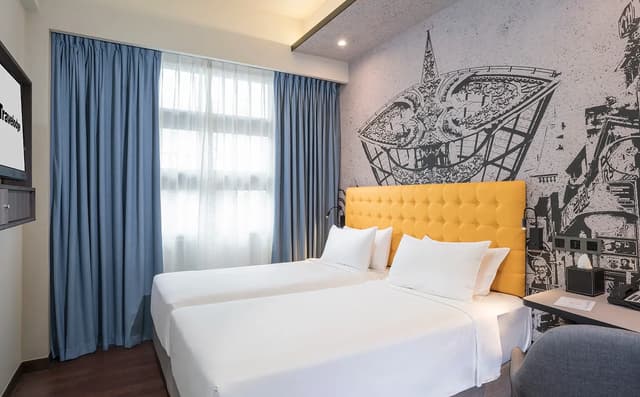
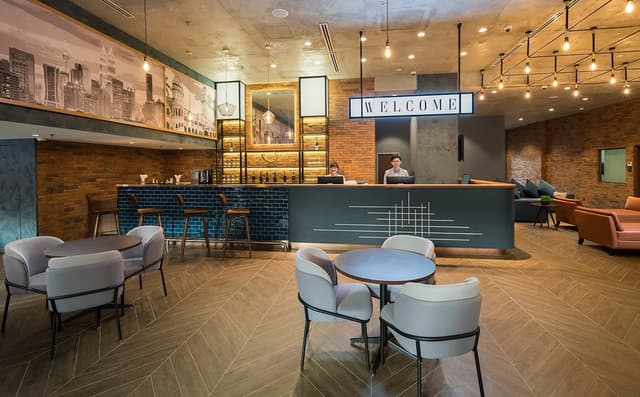
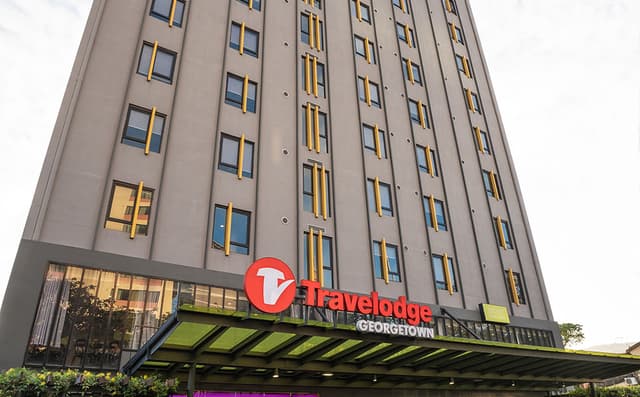
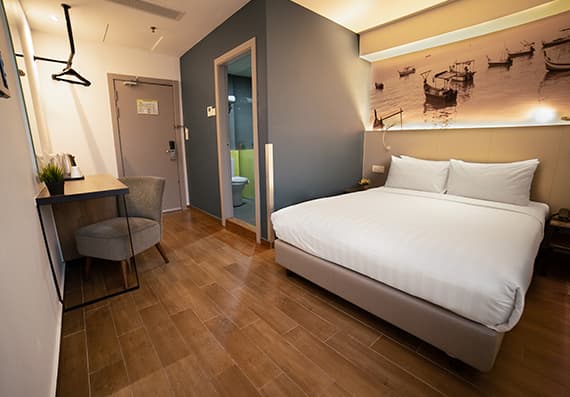
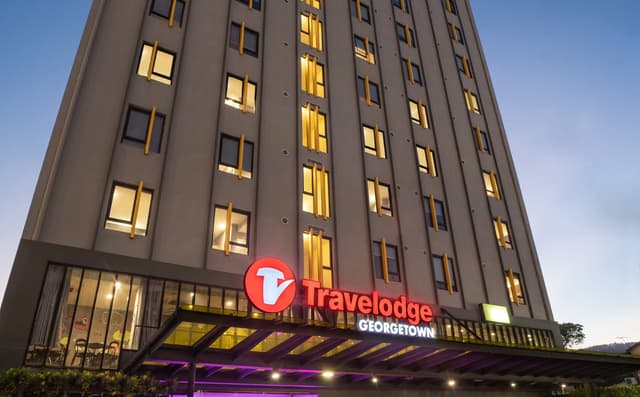
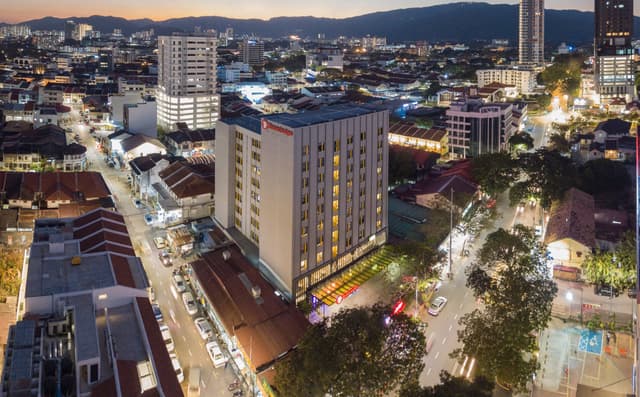
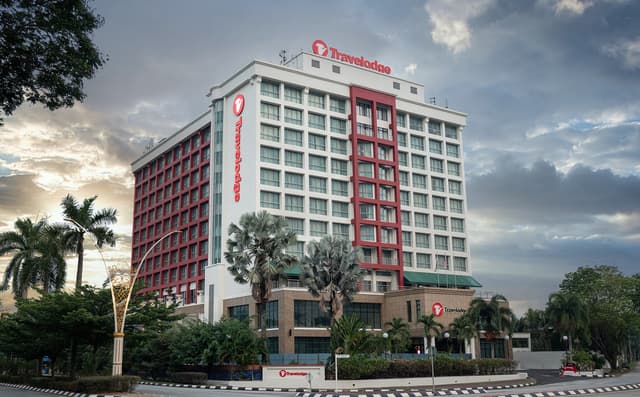
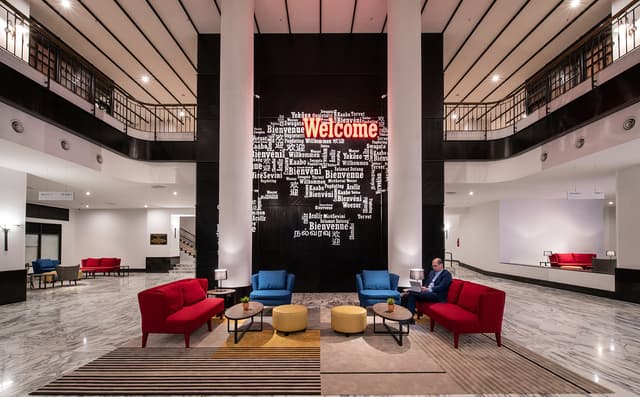
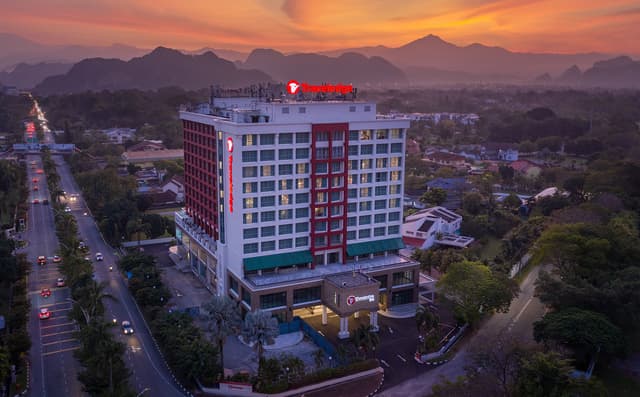
Travelodge Kuala Lumpur City Centre provides convenient access to cultural attractions such as Central Market, Petaling Street, Merdeka Square, and many festival-related events throughout the city.
Both locations provide convenient bases for exploring Malaysia's cultural celebrations while enjoying the comfort of a centrally located hotel.
Experience the Culture, Not Just the Celebration
Malaysia's festivals are among the country's greatest cultural treasures. They offer travelers the opportunity to witness traditions that have been preserved for generations while experiencing the warmth and hospitality that define Malaysian society.
The most rewarding festival experiences happen when visitors move beyond simply taking photos and instead take the time to learn, participate respectfully, and connect with the communities behind the celebrations. By approaching these occasions with curiosity, humility, and respect, you'll leave with something far more valuable than pictures: a deeper understanding of Malaysia and its people.













.jpg)
)